













Understanding Engineering Technology Programs in Canada
Canada is an attractive destination for international students seeking practical, career-focused education in engineering and applied technology. Its colleges and polytechnics offer engineering technology programs that combine classroom instruction, laboratory experiments, industry-standard equipment and, in some cases, co-operative education or workplace placements.
For students interested in civil, mechanical, electrical, computer, environmental or robotics engineering, Canadian engineering technology diplomas and advanced diplomas provide an opportunity to develop technical skills relevant to modern industries.
However, choosing the right program involves more than comparing college names and tuition fees. International applicants must also consider admission requirements, program accreditation, employment prospects and, particularly, eligibility for a Post-Graduation Work Permit (PGWP).


Explore engineering technology programs for international students,
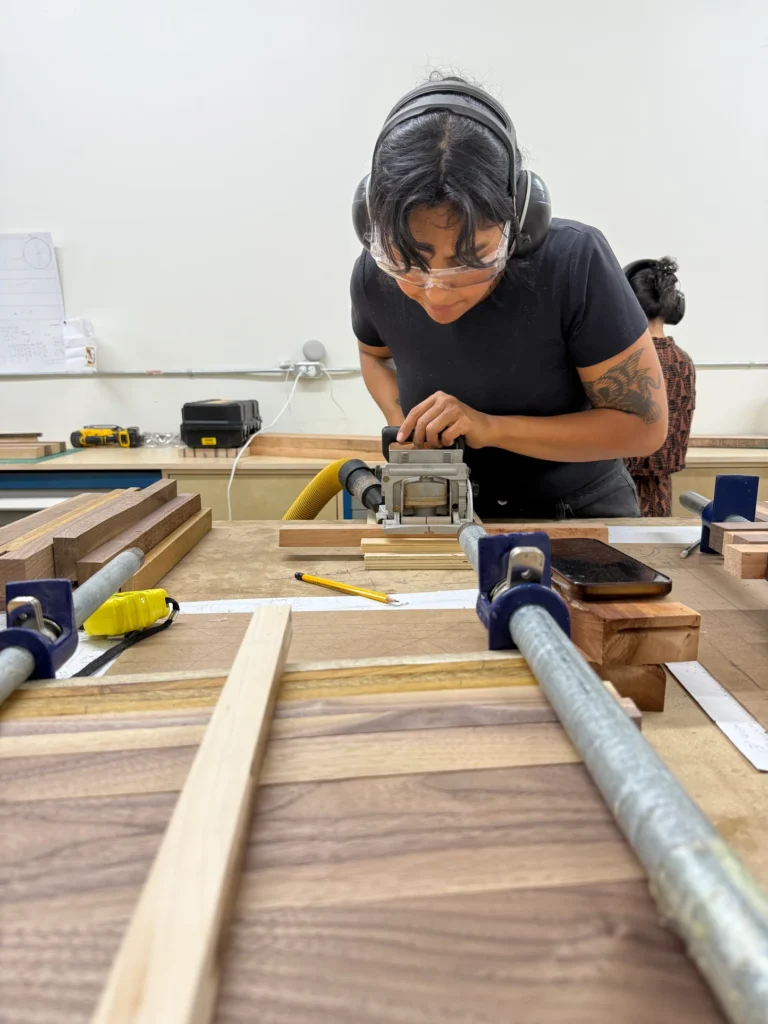
Engineering technology is an applied field that focuses on using engineering principles to solve practical technical problems. While traditional engineering degrees generally place greater emphasis on theoretical analysis, mathematical modelling and engineering design, engineering technology programs typically combine technical theory with practical implementation.
Students learn through laboratory sessions, computer simulations, technical projects, workshops and industry-related assignments.
Common areas of study include:
- Civil engineering technology
- Mechanical engineering technology
- Electrical engineering technology
- Electronics engineering technology
- Computer engineering technology
- Construction engineering technology
- Environmental engineering technology
- Robotics and automation technology
- Architectural engineering technology
Most Canadian college programs award an Diploma, an advanced diploma or an equivalent provincial credential. Program duration commonly ranges from two to three years.
An important distinction is that an engineering technology diploma does not automatically qualify its graduate to practise as a professional engineer. Professional engineering licensure and engineering technologist certification are separate professional pathways with different educational and regulatory requirements.